What we write at the bench
Six notes on how our moulded cork footbed is built, what a closed toe changes, why a mule has no back, and how to brush suede without wetting the nap.
How the moulded cork footbed takes shape
Our workshop builds every shoe on one moulded cork footbed across the catalogue. The bed is pressed with a deep heel cup and a raised curve beneath the instep. It feels rigid when it leaves the bench, but the material settles under weight over a week of wear.
Closed toe or open toe across the catalogue
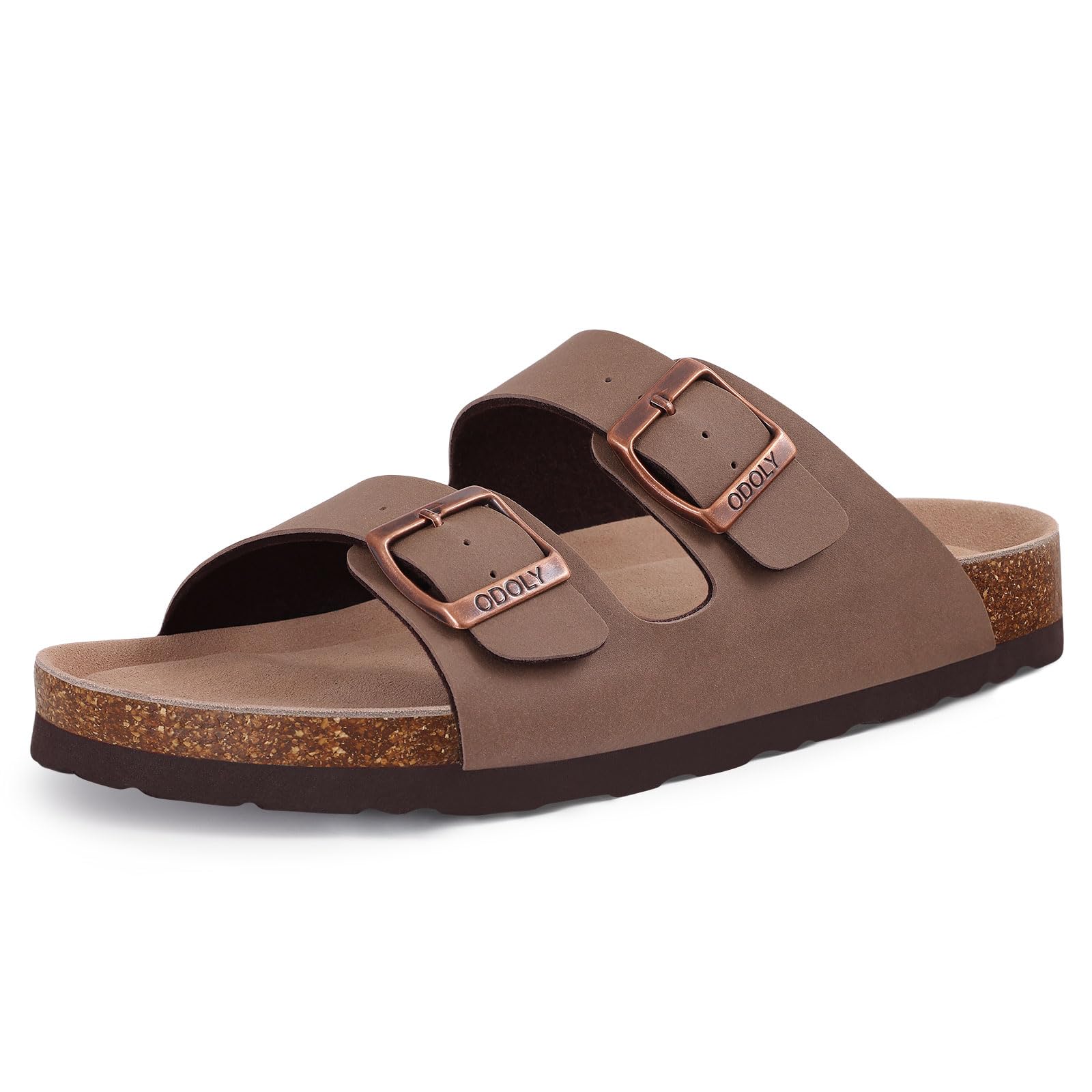
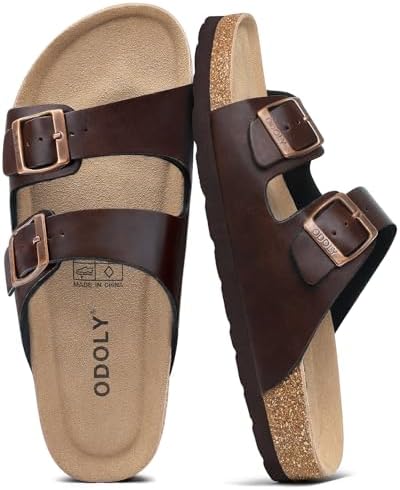
Every shoe we build begins with the same moulded cork footbed, but the first choice at the bench is the front of the upper. A closed vamp covers the toes, while an open strap leaves them bare. Here is how that construction choice works.
The wider last and buckle adjustment
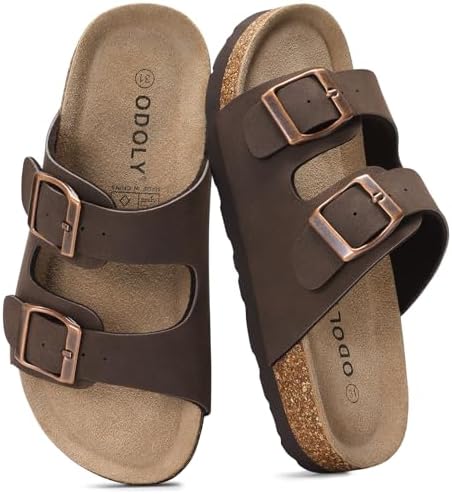
A shoe takes its internal volume and width directly from the solid form we build it over. When we broaden that form, the footbed rim shifts outward and the upper pattern changes. The buckle settings then dictate how the leather holds the instep against our moulded cork footbed.
Why a mule stays on the foot
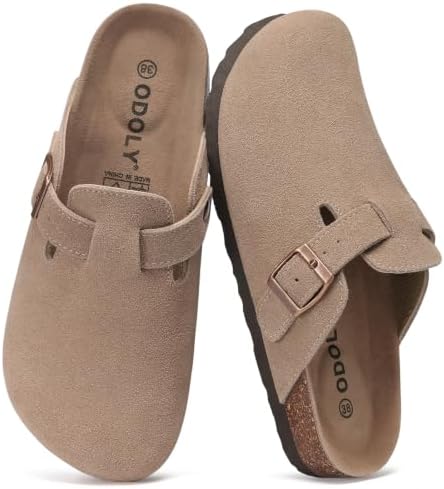
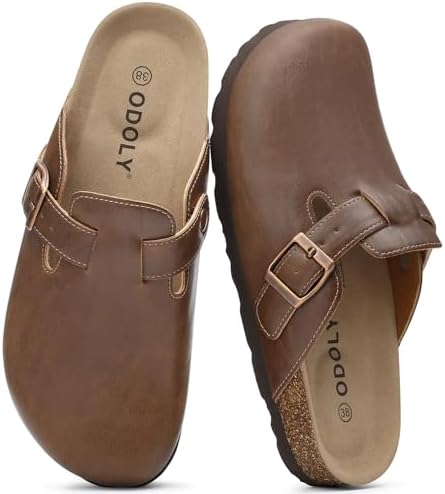
A backless mule leaves the counter off entirely. With no strap behind the heel, the shoe stays in place through two surfaces: the vamp across the instep and the cup under the heel. When the foot lifts, the bed drops away and catches the heel on the way back down.
Lasting the cork footbed for children
We build seven pairs in our catalogue on a child's last. The core remains the moulded cork footbed, the deep heel cup, and the leather uppers. But scaling down a pattern means adjusting the contour of the bed, thinning the outsole, and making the buckle easy to pull.
Caring for four uppers and cork
We build our footwear on a single moulded cork footbed across four distinct upper materials. Suede, smooth leather, oiled leather, and vegan panels react differently to dust, moisture, and wear. Learning how to clean the upper and dry the cork keeps each pair in working order for seasons of use.
The shelves these notes come from
Each note sits with a section of the catalogue, so you can read it and then go and look.
Read enough?
The picker takes four answers and narrows all 38 pairs down to the ones lasted for your foot.
Find my pairBack to the shelves